
Online stores that work
E-commerce Websites
E-commerce Websites: Build an Online Store That Works for Your Business
E-commerce website design and development for businesses in Ireland, Europe and the USA. Clear product pages, mobile shopping and dependable checkout.

Your website, your business
A practical approach.
A clear purpose.

Selling online sounds straightforward until the orders start coming in.
At first, you need somewhere to display your products, accept payments and let customers choose delivery. Then the everyday questions begin. What happens when something goes out of stock? How do customers choose the right size? Can someone change an order after paying? And who's going to update the website when new products arrive?
These aren't problems you want to discover after launching.
An e-commerce website needs to work for two groups of people: the customers buying from it and the people running the business behind it. If either side finds the process frustrating, even a beautifully designed online shop can become more trouble than it's worth.
Explore this service
What you need
to know.
01 / Online stores that work
Your Products Should Shape the Website
A shop selling handmade jewellery has different requirements from a company supplying office equipment.
Jewellery customers may want close-up photographs, information about materials and gift packaging options. Someone ordering office supplies is more likely to care about product codes, availability and how quickly they can place a repeat order.
That's why choosing a design before understanding the products can cause problems later.
Custom e-commerce website development begins with looking at what you sell and how people buy it.
Some businesses need a straightforward catalogue. Others require product variations, customer accounts or additional ordering features.
There isn't much point in building a complicated system if your customers only need a simple way to purchase a handful of products.
02 / Online stores that work
Nobody Wants to Hunt for a Product
Imagine walking into a supermarket where nothing is arranged into aisles.
Finding a carton of milk would take far longer than it should.
An online store with confusing categories creates much the same frustration.
Customers need to recognise where products belong. Search results should be relevant, and filters should help narrow the options rather than create another puzzle.
Product descriptions deserve proper attention too.
A photograph might attract someone's interest, but it won't necessarily answer whether an item fits, what it's made from or what's included in the price.
Clear information can reduce unnecessary questions and help customers decide whether they're buying the right thing.
That's a more useful goal than filling every product page with promotional language.
03 / Online stores that work
The Checkout Is Where Small Problems Become Expensive
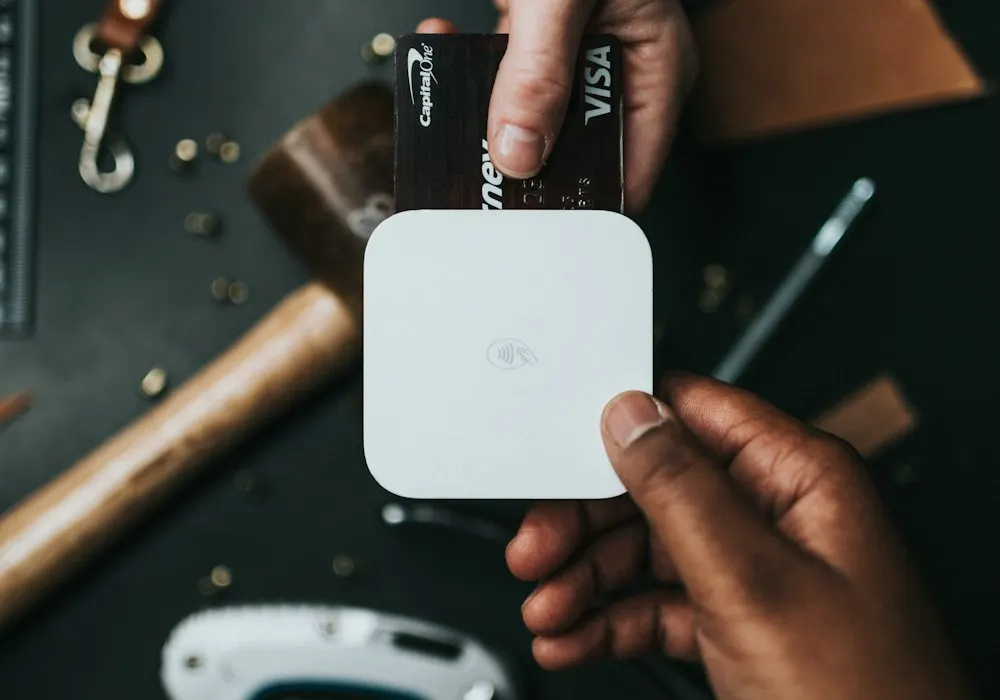
Someone has spent ten minutes browsing your shop. They've selected a product, checked the details and added it to their basket.
Then they reach checkout.
Suddenly they're being asked to create an account, enter information that doesn't seem necessary and navigate several screens before paying.
It's not exactly encouraging.
A good checkout should tell customers what they're paying, how delivery works and what happens once their order is placed.
Payment options also need to suit the business and the customers it serves.
An online store selling locally may have different payment and delivery requirements from one accepting international orders.
The right e-commerce website design makes the buying process understandable without adding unnecessary steps.
04 / Online stores that work
Don't Forget the Person Shopping on Their Phone

Picture someone discovering your product through a social media post.
They're interested enough to open the website, but the product images take ages to load. The menu covers half the screen, and the checkout button is difficult to tap.
They may never come back.
Responsive e-commerce design should make shopping comfortable on a phone, not simply squeeze a desktop layout into a smaller space.
Customers need readable descriptions, clear product photographs and forms they can complete without struggling.
This matters especially when visitors arrive directly from social media advertisements or mobile search results.
A business shouldn't have to rely on customers finding a laptop before they're able to complete an order.
05 / Online stores that work
The Work Continues After an Order Is Placed
Customers see an order confirmation. Behind the scenes, somebody still has to get the parcel out.
Stock needs checking. Payments need recording. Orders may need passing to fulfilment staff, and delivery information has to reach the right place.
When a shop receives only a few orders each week, some of this can be handled manually.
As sales increase, the same approach may become difficult to manage.
Depending on the business, an e-commerce website can include inventory tools, order management features and connections to existing systems.
The important question isn't how many features can be added. It's whether they make day-to-day work easier.
There's little value in an elaborate dashboard that nobody on the team feels comfortable using.
06 / Online stores that work
A Professional Store Should Feel Reliable
Customers can't pick up a product or speak to someone across the counter when they're shopping online.
They depend on the information your website provides.
Delivery charges should be easy to find. Returns information should be understandable, and customers should know how to contact the business if something goes wrong.
The technical side matters as well.
Large images, unnecessary scripts and outdated software can affect website performance and reliability. Secure connections, appropriate access controls and suitable payment providers are also important.
None of this needs to dominate the homepage.
It simply needs to work properly, so customers can concentrate on shopping rather than wondering whether the website can be trusted.
07 / Online stores that work
Search Engines Need to Understand Your Shop Too
An online store might contain excellent products but still be difficult to discover through Google.
Sometimes the problem lies in how its pages are organised.
Categories may have unclear names, product descriptions may be duplicated, or important pages may be difficult for search engines to reach.
SEO-friendly e-commerce development considers these issues while the website is being built.
Useful category pages, descriptive product information, sensible internal links and appropriate technical settings provide a starting point for future search optimisation.
Of course, having an SEO-friendly website doesn't guarantee first-page rankings.
Competition, content quality and ongoing optimisation all play a role.
Still, it's better to build a sensible structure from the beginning than pay to correct preventable problems later.
Explore Speed and SEO Optimization08 / Online stores that work
An Online Store Should Be Easy to Keep Updated
A successful online shop isn't something you launch and forget.
Prices change. Products sell out. New collections arrive, and occasionally an item needs removing altogether.
Your team needs a practical way to manage those changes.
A suitable e-commerce platform should make routine tasks understandable without requiring a developer for every update.
It should also leave room for reasonable growth, whether that means adding more products, changing delivery arrangements or expanding into another market.
EireTech360 provides e-commerce website design and development for businesses across Ireland, Europe and the USA, focusing on practical online stores that serve both customers and business operations.
Thinking about launching an online shop or improving an existing one? Get in touch to discuss what you're selling and how your website needs to work.
Explore Website Maintenance and SupportClear answers
Frequently asked
questions.
What do you consider before building an online store?
We look at your products, customers, payment and delivery needs, and how orders and stock are managed. Those requirements guide the platform and store structure.
Can the store connect to existing business systems?
Where appropriate, the project can include inventory tools, order management and connections to existing systems. The exact scope depends on the platform and your requirements.
Will customers be able to shop on their phones?
Mobile shopping is considered throughout the design, including product information, navigation and checkout forms.
Related website services
Support for every stage
of your website.
Let's plan your
next step.
Share your current website, the challenges you face and what you want to achieve.
Start a conversation